


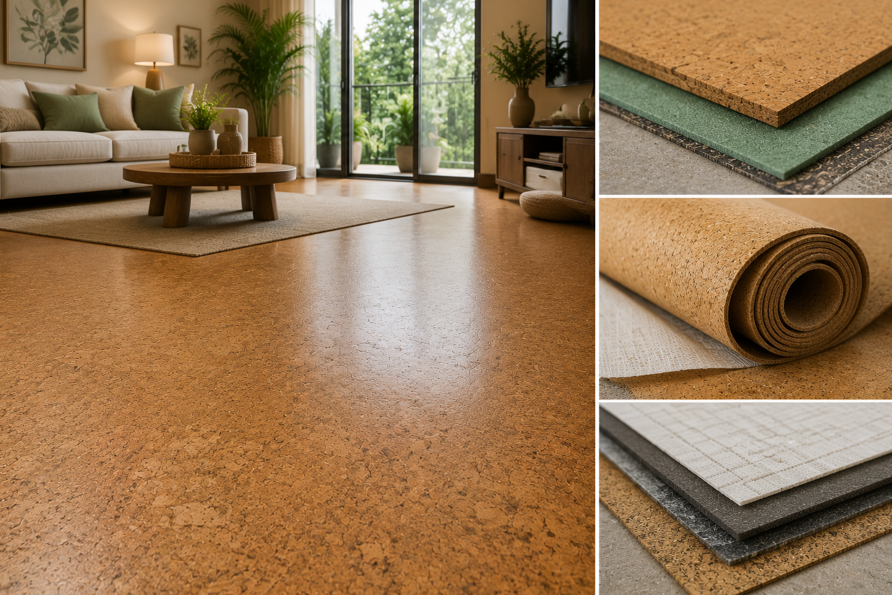
Why Underlayment Matters More in Florida Homes
Cork flooring already offers a naturally comfortable and quiet surface, but what many homeowners don’t realize is how much the right underlayment affects long-term performance. In Florida, especially in areas like Lakeland where humidity stays high for much of the year, underlayment becomes even more important.
Moisture, temperature shifts, and indoor humidity can all affect flooring over time. A quality underlayment helps create a protective barrier between the subfloor and the cork flooring above it. It can also improve comfort, reduce noise, and support better durability in active households.
That’s one reason many Florida homeowners spend more time researching what goes underneath their flooring rather than focusing only on the visible surface. The right underlayment helps cork flooring feel more stable, comfortable, and reliable year after year.
At Williford Flooring Company Inc., homeowners throughout Lakeland and surrounding Florida communities can explore flooring systems designed specifically for humid Southern climates. With decades of experience in hardwood and specialty flooring, the team understands how moisture and humidity affect flooring performance in real homes.
Today’s cork flooring systems are far more advanced than older generations. When paired with the proper underlayment, cork floors can provide impressive comfort, sound reduction, and moisture management while still maintaining the warm, stylish appearance homeowners love.
What Does Underlayment Actually Do?
Underlayment sits between the subfloor and the finished flooring surface. While it’s hidden once the floor is installed, it performs several important functions that directly affect how the floor feels and lasts.
In humid climates like Lakeland, underlayment often plays a major role in moisture management.
A properly selected underlayment may help:
Reduce moisture transfer from the subfloor
Improve sound absorption
Increase walking comfort
Support thermal insulation
Help smooth minor subfloor imperfections
Improve overall flooring stability
For cork flooring specifically, underlayment also helps preserve one of cork’s biggest benefits: softness underfoot.
Unlike harder flooring surfaces, cork naturally has a bit of cushioning. Pairing it with the right underlayment can enhance that comfort even further, which many homeowners appreciate in kitchens, bedrooms, home offices, and living areas.
Why Florida Humidity Changes the Conversation
In drier climates, homeowners may focus mostly on comfort or sound reduction. In Florida, moisture becomes a much bigger priority.
Humidity can affect:
Subfloor moisture levels
Expansion and contraction
Indoor air quality
Long-term flooring durability
That’s why underlayment selection should never be treated as an afterthought in Florida homes. The right product helps support the entire flooring system, not just the visible floor surface.
Why Cork Flooring Works Well in Lakeland Homes
Cork flooring has become increasingly popular with Florida homeowners because it combines comfort, style, and practical performance in one surface.
Many homeowners appreciate cork because it feels softer and warmer underfoot than tile while still supporting a modern, stylish appearance.
Today’s cork flooring options come in a wide range of colors, textures, and finishes, making it easier than ever to match different home styles.
Benefits Florida Homeowners Often Appreciate
Cork flooring offers several qualities that work particularly well in humid climates:
Natural sound absorption
Softer walking surface
Better insulation than tile
Stylish modern visuals
Comfortable feel in bedrooms and living areas
Improved walking comfort for busy households
Many families also appreciate cork flooring in multi-level homes because it helps reduce noise transfer between rooms.
Another reason cork flooring performs well in Lakeland homes is its ability to create a warmer, more inviting atmosphere without sacrificing practicality. Homeowners who want something softer and quieter than tile often find cork especially appealing.
Of course, like any flooring product, cork performs best when paired with the proper installation materials — including the right underlayment.
Moisture Barriers: One of the Most Important Features in Florida
One of the biggest concerns in humid climates is moisture moving upward from the subfloor. Even when homeowners don’t see visible moisture, humidity can still affect flooring systems over time.
That’s why moisture barriers are often recommended beneath cork flooring installations in Florida.
What Moisture Barriers Help Prevent
A moisture barrier may help reduce:
Moisture absorption
Mold and mildew concerns
Flooring instability
Subfloor-related issues
Excess humidity exposure beneath flooring
Many underlayments now include built-in moisture barriers, which can simplify installation while providing additional protection.
For homes built on concrete slabs — common throughout Florida — moisture management becomes especially important. Concrete can retain moisture even when the surface appears dry.
Professional installers often perform moisture testing before installation to help determine which underlayment system works best for the space.
Why Professional Guidance Matters
Not every underlayment product works equally well with every flooring type. Choosing the wrong material can affect comfort, performance, and long-term durability.
Experienced flooring professionals help homeowners evaluate:
Subfloor conditions
Room location
Humidity exposure
Installation method
Noise reduction needs
Comfort preferences
That guidance becomes especially valuable in Florida homes where climate conditions place additional demands on flooring systems.
Foam Underlayment: A Popular Option for Cork Flooring
Foam underlayment remains one of the most commonly used options beneath floating cork flooring systems.
Many homeowners like foam underlayment because it provides:
Lightweight cushioning
Basic sound reduction
Comfortable walking feel
Moisture-resistant options
Relatively simple installation
Certain premium foam products also include vapor barriers that help protect flooring from subfloor moisture.
Best Uses for Foam Underlayment
Foam underlayment often works well in:
Bedrooms
Living rooms
Home offices
Hallways
Low-to-moderate traffic areas
Homeowners who prioritize softness and comfort frequently prefer foam-based systems because they enhance cork’s natural cushioning effect.
However, foam products vary significantly in quality. Thicker or higher-density foam products may offer better support and durability than entry-level materials.
That’s why flooring professionals typically recommend underlayment based on the specific room and flooring system rather than choosing a one-size-fits-all solution.
Rubber Underlayment for Added Stability & Sound Reduction
Rubber underlayment has become increasingly popular in homes where sound reduction and long-term durability are top priorities.
Compared to basic foam products, rubber underlayment often provides:
Greater density
Enhanced sound absorption
Improved floor stability
Better compression resistance
Long-lasting performance
For active households, rubber underlayment may help cork flooring feel more solid and supportive underfoot.
Why Some Lakeland Homeowners Prefer Rubber Underlayment
Florida homeowners living in:
Multi-story homes
Condominiums
Townhomes
Busy family households
often appreciate the additional sound reduction rubber products can provide.
Rubber underlayment can help reduce:
Footstep noise
Floor vibration
Echoing
Sound transfer between levels
Although rubber underlayment may cost more upfront than basic foam products, many homeowners view it as a worthwhile long-term investment for comfort and noise management.
Cork Underlayment Beneath Cork Flooring: Is It Worth It?
Some homeowners choose cork underlayment beneath cork flooring for an even softer and quieter floor system.
This creates a layered flooring setup that enhances:
Comfort
Thermal insulation
Sound absorption
Walking softness
Benefits of Cork-on-Cork Systems
When professionally installed, cork underlayment may help:
Improve room acoustics
Create a more comfortable walking experience
Add slight thermal insulation
Reduce floor noise naturally
This setup can work especially well in bedrooms, reading rooms, or spaces where comfort is a major priority.
However, thicker flooring systems may require additional planning around:
Door clearances
Appliance heights
Floor transitions
That’s another reason professional installation guidance matters when selecting underlayment combinations.
Why Subfloor Preparation Matters Just as Much as Underlayment
Even the best underlayment cannot fully compensate for a poorly prepared subfloor.
Before installing cork flooring, professional installers typically inspect:
Moisture levels
Floor flatness
Structural stability
Existing flooring condition
Concrete slab condition
Subfloor preparation may include:
Moisture testing
Leveling compounds
Crack repairs
Cleaning and debris removal
These steps help ensure the flooring system performs correctly long term.
Florida Homes Often Require Additional Moisture Attention
Homes in humid climates frequently require more careful moisture evaluation than homes in drier regions.
That’s especially true in:
Ground-floor rooms
Concrete slab homes
Older homes
Rooms near exterior doors
Laundry areas
Moisture issues hidden beneath flooring can eventually affect performance, appearance, and indoor comfort.
Experienced installers help identify these concerns before installation begins, helping homeowners avoid future problems.
Comfort & Noise Reduction: Why Underlayment Changes the Feel of a Room
Many homeowners focus heavily on flooring appearance while overlooking how flooring feels during daily life.
Underlayment directly affects:
Walking comfort
Room acoustics
Warmth underfoot
Overall floor softness
In active households, those details matter more than people often expect.
Spaces Where Cushioning Matters Most
Homeowners frequently appreciate extra cushioning in:
Kitchens
Home offices
Bedrooms
Playrooms
Living rooms
Standing for long periods on hard flooring surfaces can become tiring. Cork flooring paired with quality underlayment often creates a noticeably more comfortable experience throughout the day.
Sound reduction also becomes increasingly valuable in busy households. Softer flooring systems can help rooms feel calmer and quieter, particularly in homes with children or pets.
That combination of comfort and practicality is one reason cork flooring continues growing in popularity throughout Florida.
Installation Quality Makes a Huge Difference
Even premium flooring products depend heavily on proper installation.
Professional installers help ensure:
Proper moisture management
Correct underlayment selection
Accurate seam placement
Stable flooring performance
Smooth floor transitions
At Williford Flooring Company Inc., homeowners benefit from a dedicated in-house installation team rather than relying heavily on subcontracted crews. That consistency helps support quality workmanship from start to finish.
Proper installation becomes especially important with cork flooring because:
Expansion spacing matters
Moisture control matters
Subfloor preparation matters
Underlayment compatibility matters
Experienced flooring professionals understand how all these components work together as a complete flooring system.
That expertise helps homeowners feel more confident throughout the entire flooring process.
Choosing the Right Underlayment for Your Florida Home
There’s no single underlayment that works best for every room or every homeowner. The right choice depends on several factors, including:
Room location
Subfloor type
Moisture exposure
Noise concerns
Comfort preferences
Budget priorities
Some homeowners prioritize maximum softness. Others focus more heavily on moisture protection or sound reduction.
The good news is that today’s underlayment options offer far more flexibility than older flooring systems.
Working with experienced flooring specialists helps homeowners compare products more effectively while avoiding solutions that may not perform well in Florida’s humid environment.
If you’re considering cork flooring for your Lakeland home, the right underlayment can make a major difference in comfort, durability, and long-term performance. To learn more about flooring systems designed for Florida living, we are here to help with expert guidance tailored to your space and lifestyle.


