


Why Indoor Air Quality Matters in Florida Homes
Warm, humid Florida air can make indoor spaces feel heavy, stale, and less comfortable—especially during cooler months when windows stay closed longer. Homes in Lakeland, FL often experience indoor air challenges like moisture buildup, allergens, and lingering odors. That’s why many homeowners look for flooring that doesn’t just look beautiful but also supports a healthier living environment.
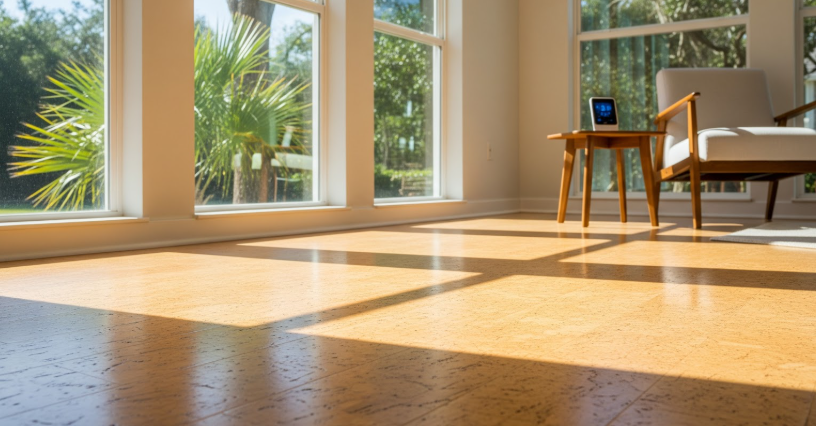
Cork flooring stands out as one of the most naturally supportive flooring materials for clean indoor air. Its makeup, structure, and performance qualities offer benefits that go far beyond style. And with the long-standing reputation of Williford Flooring Company Inc., local homeowners know they can count on expert guidance from a trusted team.
For early readers wanting to explore more flooring options, the team at Williford Flooring Company Inc. offers a curated catalog and in-house installation expertise.
What Makes Cork a Naturally Healthy Flooring Choice
Cork flooring comes directly from the bark of cork oak trees. This gives the material several natural properties that help create a cleaner, healthier indoor space.
Low-VOC and Low-Emission Composition
One of cork’s most appealing characteristics is that it’s naturally low in VOCs (volatile organic compounds). Unlike some manufactured flooring materials that may introduce airborne chemicals, cork has minimal emissions.
Homeowners who are sensitive to air pollutants, fragrances, or harsh adhesives often find cork a comfortable and safe choice. Modern engineered cork floors also use adhesives and finishes designed to meet strict indoor air quality standards.
Natural Resistance to Mold and Mildew
Lakeland’s humidity can make mold prevention a top priority. Cork contains suberin, a natural waxy substance that resists moisture absorption and makes it harder for mold or mildew to develop beneath or within the floor.
This helps keep contaminants out of the air and improves overall home comfort—especially in rooms that naturally retain moisture like kitchens or enclosed patios.
Antimicrobial Properties
Cork’s cell structure includes compounds that naturally resist the growth of bacteria and microorganisms. This helps the floor stay cleaner for longer, which in turn supports healthier indoor air.
For families with young kids, allergy-sensitive relatives, or indoor pets, this built-in antimicrobial benefit makes a noticeable difference.
How Cork Helps Reduce Indoor Allergens
Homes in Central Florida often deal with year-round allergens—from pollen to dust to pet dander. Cork flooring works to minimize how much of that ends up in your air.
Cork Doesn’t Trap Allergens the Way Soft Surfaces Can
Unlike thick carpets or heavily textured surfaces, cork has a smooth, sealed finish that doesn’t trap dust or allergens. This makes it easier to keep clean with regular sweeping or light mopping.
Hypoallergenic and Easy to Maintain
Cork is considered hypoallergenic because it doesn’t shed fibers or degrade in a way that contributes to airborne particles. Maintenance is very simple:
Sweep regularly
Wipe spills promptly
Use a microfiber dust mop
Keep humidity levels stable
These low-effort habits help cork maintain a healthier air profile day after day.
Great for Households With Pets
Florida homeowners with dogs or cats often need a surface that prevents pet-related odors and dander from settling into floors. Cork’s natural resistance to odors and its easy-clean surface help keep indoor air noticeably fresher.
How Cork Regulates Humidity for Better Air Quality
One of cork’s most unique benefits is that it naturally expands and contracts with changes in humidity. This flexibility helps stabilize the environment around it.
Breathable Cell Structure
Cork is made up of millions of air-filled cells. These tiny pockets allow cork to “breathe,” helping regulate moisture and reduce the chance of stale indoor air.
Helps Reduce Indoor Condensation
Florida homes often experience warm days and cool nights, creating small pockets of condensation along windows and floors. Cork can help reduce the impact of this moisture imbalance by absorbing and releasing small amounts of vapor without becoming damaged.
A More Comfortable Living Environment
Because cork warms up quickly and holds heat better than tile or concrete, rooms with cork often feel more comfortable. This comfort contributes indirectly to improved indoor air quality by reducing the need for heavy HVAC cycling.
How Cork Flooring Contributes to a Quiet, Relaxed Home Environment
Healthy air isn’t just about allergens and humidity—it’s also about the overall feel of a space. Cork flooring contributes to a quieter, calmer home, which supports overall well-being.
Natural Sound Absorption
Cork’s air-filled cell structure absorbs sound, reducing noise transfer between rooms and floors. In a busy Florida household, less noise often means:
Better relaxation
Lower stress
Improved focus
More peaceful sleep
Softer Underfoot, Less Impact on Joints
Because cork is softer than hardwood or tile, it creates a more comfortable walking surface that encourages better posture and reduces joint strain. A comfortable home environment plays a big role in overall indoor comfort.
When Cork Flooring May Not Improve Indoor Air Quality
While cork provides many benefits, there are a few important considerations to keep in mind for Florida homes.
Poor Installation Can Create Moisture Issues
If cork is installed without the correct underlayment or moisture barrier—especially on concrete slabs—humidity can build up underneath the material. That’s why professional installation is essential.
Not Ideal for Areas Prone to Standing Water
Cork performs well in humid spaces, but it’s not designed for areas where water pools frequently. Bathrooms with showers, laundry rooms, or entryways exposed to heavy rain may require extra sealing or an alternative flooring choice.
For homeowners who want help choosing the right floor type, exploring cork flooring can provide useful guidance tailored to Florida’s climate.
The Role of Finishes and Sealants in Air Quality
Cork floors are typically sealed with either polyurethane or natural wax finishes. Each affects indoor air quality differently.
Water-Based Sealants
These are the best choice for indoor air quality because they emit fewer VOCs and deliver a long-lasting protective layer. Most modern cork flooring arrives prefinished with low-emission coatings.
Natural Wax Sealants
Wax coatings offer a more traditional finish and are often chosen for their natural look and feel. They emit fewer chemicals but require more upkeep.
Oil-Based Sealants
These are less common for cork and not ideal for air-quality-sensitive households due to higher VOC emissions during curing.
Professional finish choices help ensure the home stays safe, comfortable, and aligned with air-quality goals.
Why Lakeland, FL Homeowners Are Choosing Cork for Healthier Living
Cork flooring has become increasingly popular in Central Florida because it:
Naturally supports a cleaner indoor environment
Resists mold and mildew
Regulates humidity
Cuts down on allergens
Creates a softer, quieter atmosphere
Provides lasting beauty with minimal upkeep
These benefits align with the needs of Lakeland homeowners who want stylish, durable floors designed for Florida’s climate.
When paired with the experienced installation team at Williford Flooring Company Inc., cork becomes an even stronger investment in long-term home comfort.
Is Cork the Right Choice for Your Home?
If your priority is creating a healthier indoor environment, cork is one of the most supportive choices available. It’s clean, natural, quiet, and gentle on the environment—and on your home.
For more guidance or project planning, you can always get in touch with the Williford team. Whether you’re upgrading a single room or reimagining your whole home, they’re here to help you create a space that looks beautiful and feels even better.


