


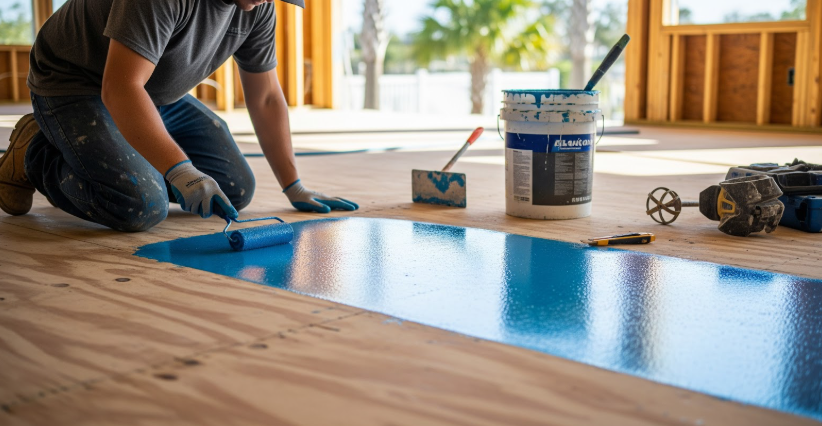
Why Subfloor Preparation Matters in Florida Homes
Waterproof flooring has become a top choice for Florida homeowners because of its durability, beauty, and ability to handle everyday spills. But many people are surprised to learn that the success of waterproof flooring doesn’t begin with the planks — it begins with the subfloor. Florida’s humid weather, afternoon rainstorms, and coastal moisture patterns put more pressure on subfloors than most regions, making preparation essential for long-term performance.
A subfloor that’s flat, clean, dry, and properly treated gives waterproof flooring the solid foundation it needs to live up to its promise. When the surface below is neglected, problems eventually show up on the surface: gaps, buckling, peaking, soft spots, or even mold growth. Homeowners across Lakeland, Sarasota, Bradenton, Plant City, Boca Grande, and Fort Myers want flooring that stands up to heat and humidity, and preparation is the first step toward lasting results.
Many families learn about this early in their planning process when visiting Williford Flooring Company Inc. — a local expert known for in-house installation and decades of hands-on experience. Understanding why subfloor prep matters helps Florida homeowners feel more confident with their flooring investment, no matter which waterproof option they choose.
Understanding the Different Types of Subfloors in Florida
Florida homes often have one of three subfloor types, each with its own strengths and risks. Knowing what’s under your flooring helps you understand how preparation affects performance.
Concrete Slabs
Concrete slabs are extremely common across Central and Southwest Florida. While durable, they’re known to “sweat” during humid months when warm air meets a cool slab. Moisture vapor can rise through hairline cracks or porous cement. If waterproof flooring sits directly on top of a damp slab, long-term issues can develop beneath the surface. Proper sealing, leveling, and moisture testing prevent these concerns.
Plywood Subfloors
Many older homes in Lakeland and Plant City include plywood subfloors. Over time, plywood can swell, warp, or soften when exposed to moisture — especially if storms, plumbing leaks, or previous flooring failures have affected the wood. Loose panels or squeaks are signs that repairs may be needed before new flooring is installed.
OSB Subfloors
OSB is durable but more prone to edge swelling than plywood. When OSB absorbs moisture, its edges can rise and create uneven surfaces. Waterproof flooring needs the base layer to be smooth, so high spots must be sanded and any compromised boards addressed.
Understanding the type of subfloor you have helps ensure proper preparation and gives your waterproof flooring a cleaner, more durable installation.
Moisture Testing: The Step Many Florida Homes Can’t Skip
Moisture testing is one of the most important steps in a Florida installation. Even if a home “feels dry,” moisture can migrate through slabs or linger within wood subfloors. Because waterproof flooring sits tightly against the subfloor, trapped moisture underneath can create long-term issues.
Installers may use a moisture meter or calcium chloride test to understand what’s happening beneath the surface. These readings guide decisions about vapor barriers, sealing products, or whether additional drying time is needed. Florida’s climate makes this step especially important, since humidity and rainfall can affect slab conditions from season to season.
Skipping moisture testing leads to unpredictable outcomes — something most homeowners prefer to avoid when investing in floors designed to last.
The Essential Steps of Proper Subfloor Preparation
Successful waterproof flooring installation relies on consistent, careful preparation. These steps are the foundation of a durable floor.
Cleaning and Debris Removal
Dust, glue residue, and leftover materials create bumps that prevent planks from locking together smoothly. A clean surface ensures tighter seams and a more polished look.
Leveling and Smoothing
Subfloors rarely sit perfectly flat. Florida slabs sometimes settle unevenly, and older plywood floors may dip or rise. Leveling compounds help smooth these imperfections so each plank sits securely.
Repairing Cracks and Soft Spots
Concrete cracks must be filled to prevent movement under the flooring. For wood subfloors, soft or damaged areas should be replaced to prevent sinking or instability.
Moisture Barriers and Sealants
Moisture protection is essential in Florida. Vapor barriers prevent rising moisture, while sealants protect porous surfaces. Together, they create a safe base for waterproof flooring.
Underlayments and Sound Barriers
Even waterproof floors benefit from a quality underlayment. It improves comfort, reduces sound, and adds a subtle layer of protection — especially helpful in multi-story homes or rooms above garages.
Each step contributes to the reliable performance homeowners expect from a waterproof installation.
Why Subfloor Prep Matters Specifically for Waterproof Flooring
Waterproof flooring protects from the top down, but not from the bottom up. This is where many misunderstandings begin. Homeowners often assume that waterproof means invincible, but the truth is more nuanced.
If the subfloor contains moisture issues, uneven surfaces, cracks, or soft areas, the flooring above will eventually reveal those flaws. Waterproof flooring can shift, separate, or lose its snug fit if the base layer isn’t prepared correctly. Peaking, warping, and unusually loud clicking can all trace back to inadequate prep — not the flooring itself.
Florida’s moisture conditions make preparation even more important. A properly prepared subfloor ensures waterproof flooring looks beautiful, feels stable, and performs as intended for years to come.
Homes in Florida Most at Risk Without Proper Subfloor Prep
Certain Florida homes require closer attention during preparation. These include:
Coastal Homes in Boca Grande and Fort Myers
Moisture vapor, salt air, and frequent storms increase the risk of slab moisture.
Coastal foundations often experience higher humidity levels year-round.
Older Homes in Lakeland, Plant City, and Bradenton
Settling foundations, older construction methods, and existing structural shifts affect leveling needs.
Many older floors have underlying issues that go unnoticed until preparation begins.
Homes With Past Water Damage
Water intrusion — from storms, plumbing failures, or previous flooring damage — may leave lingering moisture below the surface.
Hidden pockets of moisture can affect flooring longevity if not handled carefully.
Homeowners in these areas benefit from additional assessment to ensure their installation stays strong season after season.
DIY vs Professional Subfloor Preparation in Florida
Some parts of subfloor prep are manageable for DIYers, but others require professional expertise — especially in Florida’s moisture-heavy climate.
DIY Advantages
Homeowners can usually handle basic steps such as cleaning, removing debris, or installing certain types of underlayment.
DIY Limitations
Moisture testing, leveling, crack repair, or large-area subfloor replacement often require experience and professional equipment.
When Professional Help Makes Sense
Homes with moisture issues, older construction, significant unevenness, or structural concerns benefit from trained specialists. Large-format waterproof flooring also requires a flatter surface, making professional prep even more valuable.
Many homeowners like to learn more about their flooring options before getting started and often browse different types of waterproof flooring to understand how each performs once installed on a properly prepared foundation.
How Long Subfloor Preparation Usually Takes
Preparation timelines vary based on conditions, but most Florida homes fall into these general ranges:
Standard slabs: Usually quick if the surface is clean and level.
Homes requiring leveling: Can take additional time depending on dips or high spots.
Moisture concerns: May require drying time, sealing, or moisture barrier installation.
Wood subfloors: Repairs or panel replacements may add a day or two.
While prep can take longer than homeowners expect, it directly improves how the flooring looks, feels, and lasts — making it well worth the investment.
Cost Factors That Influence Subfloor Prep in Florida
Several variables affect subfloor preparation costs across Florida homes:
Condition of the Subfloor
More repairs, leveling, or sealing mean higher prep requirements.
Square Footage
Larger rooms naturally take more time and materials.
Type of Installation
Floating waterproof floors typically require less adhesive or prep work, while glue-down products may require a smoother, more consistent surface.
Climate Factors
Seasonal humidity levels, storm moisture, or slab sweating can increase preparation needs.
Understanding these factors helps homeowners budget more confidently and avoid surprises.
Protecting Your Waterproof Flooring Investment Long-Term
Proper subfloor preparation sets the stage for a smooth installation, but long-term care further enhances performance. Keeping indoor humidity controlled, addressing leaks quickly, and using mats in high-traffic areas all help maintain flooring quality.
A well-prepared subfloor supports everything above it — including comfort, stability, and style. If you’re planning a waterproof flooring installation and want expert insight tailored to Florida conditions, you can always get in touch for friendly, local support and customized guidance.


