


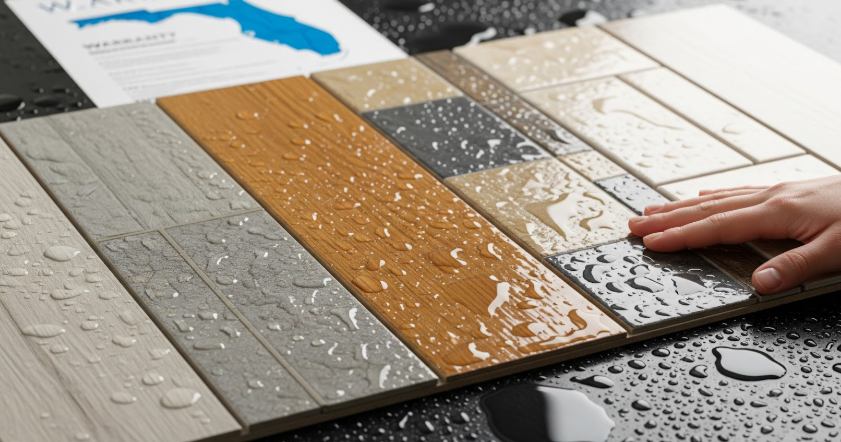
Why Florida Homeowners Need to Take a Closer Look at Waterproof Flooring
Waterproof flooring has become one of the most practical choices for homes across Boca Grande, Sarasota, Fort Myers, and the Winter Haven–Lakeland region. With Florida’s year-round humidity, seasonal storms, and the occasional unexpected leak, homeowners want flooring that won’t swell, buckle, or stain the moment moisture enters the picture. But not all waterproof flooring performs the same—and the label “waterproof” doesn’t always tell the full story.
Florida homeowners exploring durable, moisture-resistant options through Williford Flooring Company Inc. often discover that warranties, performance ratings, product certifications, and manufacturing standards matter just as much as the flooring style itself. Waterproof flooring is an investment that needs to stand up to the realities of Florida living, so understanding what to look for can make all the difference between a reliable long-term upgrade and a frustrating installation.
With so many product lines, claims, and categories available, knowing how to evaluate waterproof flooring helps you choose a surface that truly protects your home—no matter what the weather or daily life brings.
What “Waterproof” Really Means in Flooring
Waterproof flooring is engineered to prevent moisture from soaking into the planks or reaching the subfloor. But the degree of protection varies, making it important to understand the categories you’ll see while shopping.
Waterproof
This means the flooring can withstand spills, dampness, and short-term standing water without swelling or losing structural integrity. Most waterproof vinyl planks, tiles, and hybrid materials fall into this category.
Water-Resistant
These floors can handle small spills and everyday moisture but are not intended for extended exposure. They’re a better fit for low-moisture areas.
Fully Waterproof Systems
Some flooring systems include waterproof planks and waterproof installation materials. These are designed for high-moisture spaces like Florida bathrooms, kitchens, and entryways.
Understanding the distinction helps homeowners choose the right level of protection for their lifestyle and climate.
Why Warranties Matter More in Florida Than Almost Anywhere Else
Warranties are one of the most important—and most overlooked—parts of buying waterproof flooring. Florida’s climate puts flooring under unique pressure, so strong warranty coverage gives you peace of mind and protection.
Moisture Warranty
Look for coverage that includes:
Surface moisture spills
Occasional standing water
Moisture-related damage like cupping or swelling
Protection against mold or mildew caused by normal household use
Some brands also offer “wet room warranties” for bathrooms and laundry rooms.
Structural Warranty
This covers the core layer of the flooring. For Florida homes with heavy humidity swings, a robust structural warranty offers protection against plank warping, separation, or instability.
Wear Layer Warranty
This protects against daily wear and tear, including scratches, scuffs, stains, and finish degradation. Since Florida homes often have sandy shoes coming in and out, this warranty is essential.
Residential vs. Commercial Coverage
Even if you’re installing flooring at home, commercial-level warranties often indicate a stronger product. These warranties tend to be more generous with coverage and provide better long-term assurance.
What to Watch Out For
Florida homeowners should read the fine print, including:
Time limits on moisture exposure
Requirements for humidity control inside the home
Exclusions related to improper installation
Restrictions on certain cleaning chemicals
Warranties are a reflection of product confidence—strong coverage usually means stronger performance.
Understanding Waterproof Flooring Ratings
Wear Layer Thickness
Wear layers protect the surface from scratches and scuffs. In Florida households—especially those with pets, kids, and lots of foot traffic—thicker wear layers deliver longer-lasting performance.
Common ratings include:
6–12 mil (light traffic)
12–20 mil (most homes)
20–30 mil (premium durability)
Core Stability Ratings
Many waterproof vinyl floors use stable, dense cores that help prevent warping. Popular types include:
SPC (Stone Polymer Composite)
WPC (Wood Polymer Composite)
Hybrid rigid cores
SPC is especially strong for high-moisture areas because it resists temperature shifts better.
Slip Resistance
Florida homes often deal with wet feet—after pool time, rain, or beach days. Floors with strong slip-resistance ratings help prevent falls in kitchens, bathrooms, and entry points.
Indoor Air Quality Certifications
Look for floors labeled:
FloorScore® Certified
GreenGuard Gold
Low-VOC or zero-VOC
These certifications matter in Florida homes where the AC runs frequently and indoor air circulates continuously.
UV Resistance
Bright sunlight in coastal and inland Florida can fade floors. Ratings for UV protection help keep colour consistent in bright rooms.
Ratings provide clarity on how flooring holds up under pressure—something every Florida homeowner should take seriously.
Key Standards to Check Before Choosing Waterproof Flooring
Florida-Specific Performance Needs
Florida homes face pressures other regions don’t—from humidity to sandy debris brought indoors. Before buying, homeowners should check for:
High humidity tolerance
Mold and mildew resistance
Scratch resistance for gritty debris
Impact resistance for active households
Compatibility with slab foundations common in Florida
Temperature Stability
Look for floors that can handle:
High indoor AC use
Direct sunlight
Rooms that fluctuate between cool and warm
Floors not rated for stability may expand, contract, or cup.
Sealing and Edge Protection
Even waterproof floors need tight seams to keep moisture from slipping underneath. Strong locking systems or specially sealed edges help protect the subfloor.
Certification for Pet-Friendly Use
Pet-friendly floors should offer better scratch resistance, dent resistance, and protection from moisture accidents.
Subfloor Compatibility
Many Florida homes are built on concrete slabs, so the flooring must work well with:
Slight subfloor imperfections
Moisture from below
Minor temperature variation
Checking manufacturer recommendations helps avoid future issues.
Choosing the Right Waterproof Flooring Construction Type
SPC (Stone Polymer Composite)
SPC is a top choice for Florida homeowners because it provides:
Superior waterproofing
High dent resistance
Stable performance in humidity
Great for kitchens, bathrooms, laundry rooms, and open-concept living.
WPC (Wood Polymer Composite)
WPC is slightly softer underfoot and quieter, making it ideal for bedrooms, offices, and living rooms. It offers strong waterproof performance but is more comfortable for everyday use.
Hybrid or Rigid Core
These floors combine strength, waterproofing, and comfort. Many Florida homeowners choose rigid core for busy family areas because it balances durability with warmth.
Luxury Vinyl Tile (LVT)
Great for moisture protection and easy cleaning, LVT works beautifully in high-use spaces.
Waterproof Laminate
Modern waterproof laminate offers durable, scratch-resistant surfaces with classic wood looks. Some products are engineered specifically for humid climates.
Florida homeowners benefit from matching each room to the construction that will perform best in that space.
The Role of Underlayment in Waterproof Flooring
Underlayment is the hidden layer that increases comfort, sound control, and moisture resistance.
Benefits of Underlayment in Florida Homes
Reduces sound between floors
Adds cushioning underfoot
Helps manage indoor humidity
Improves temperature comfort
Provides additional moisture protection
Types to Consider
Attached underlayment (built into the plank)
Cork underlayment
Foam
Rubberized options
Vapor barriers
Underlayment isn’t always required, but in Florida, it can significantly improve performance and comfort.
The Importance of Installation Quality in Waterproof Flooring
Even the best waterproof flooring can struggle if it’s not installed properly. Gaps, misaligned seams, or poor subfloor preparation can let moisture slip underneath, leading to damage over time.
Homeowners often rely on professional installers for:
Seam precision
Subfloor leveling
Moisture barrier installation
Clean, secure transitions between rooms
DIY installation can work for smaller projects, but complex layouts or moisture-heavy rooms benefit from professional expertise.
How to Compare Waterproof Flooring Options While Shopping
When browsing options—including during your search for waterproof flooring—it helps to compare each product based on three categories:
1. Protection
Warranty depth
Core stability
Moisture coverage
UV and scratch resistance
2. Comfort & Fit
Underfoot feel
Sound absorption
Slip resistance
Visual design
3. Florida-Specific Performance
Humidity tolerance
Resistance to storm-related moisture
Prevention of mold or mildew
This structured approach helps homeowners identify which floors offer genuine long-term reliability.
Make a Confident, Climate-Ready Flooring Choice
Waterproof flooring is one of the smartest investments Florida homeowners can make—but only when the product meets the right standards. By checking warranties, stability ratings, construction types, and performance certifications, you can choose a floor that stays beautiful and dependable despite Florida’s heat, humidity, and daily wear.
If you’d like help comparing options or need expert guidance before buying, you can always reach out to us. A flooring specialist can walk you through the best waterproof choices for your home’s layout, lifestyle, and long-term needs.


